

The fear of memory loss is a significant concern of the elderly. It is estimated that 40% of people aged 65 will suffer from memory loss. This may include the slight rigid term to undermine daily activity.
We’re going to discuss why some people have memory loss, the differences between them, and how to strengthen awareness of activity against it. Read on how to prevent memory loss in old age.
What causes memory loss when we are old?
Memory loss is a spectrum, as there are various forms of memory loss or amnesia that older people can experience as they age. A mild cognitive decline (MCI) is a form of memory loss and cognitive decline that many people encounter to various levels. Alzheimer’s disease, in the serious aspect of the spectrum, affected about 5.8 million Americans in 2020 according to the CDC.
MII is a condition which is more controlled, often associated with the slight forget or memory loss, and this often does not interfere with the everyday life of an individual. On the other hand, more severe forms of amnesia can have a powerful effect on the memory, senses, and even character of an individual. Unfortunately, many people are affected by inherited tendencies that are beyond their control, and even the condition is not treated.
Many factors contribute to the development of memory loss. The history of the metabolization system or the blood vessels of an individual is more likely to be insane. The type of life and environment can also play a role.

6 Good Counsel to Avoid Memory Loss
As you might say, memory loss is a very serious problem. Fortunately, there are many techniques designed to control and prevent memory loss symptoms that can be introduced into your everyday life. Following are some advice on how to prevent memory loss in old age.
Pay more attention during the day to avoid memory loss
Sometimes, not recalling details is a matter of attention, not of memory. Manages a lot of details, work, or if not, especially when we have difficulty focusing. The best way to fight this is to take the initiative in our attention. Be active in your listening, peering around, and taking note of what you must remember.
2. Challenge yourself against memory when possible
We link our memories every day to our own models. Many people have a specific routine that helps them to do things effectively and at the right time. Remembering a routine and action is a great exercise for our memories. Next time, instead of following GPS to a familiar location, try to get there only by memory.
While writing down or following notes is appropriate to remember specific details, strengthening our memory means not overly dependent on references. When we can recall information without assistance, it activates much more of our brain’s memory centre. Use this in everyday life. For example, rather than refer to your list of foods, test yourself to remember what was on that list.
Keeping habits is important, but also good to create new habits. One of the best ways to create a new routine is to combine a new skill into your habits. Playing instruments, writing or drawing are just a few examples. Practice a new skill every day challenges you to copy the information you learned earlier. The same vein, copying a picture or a favorite song that holds the skill of calling memory frequently.
Three. Play memory improvements games
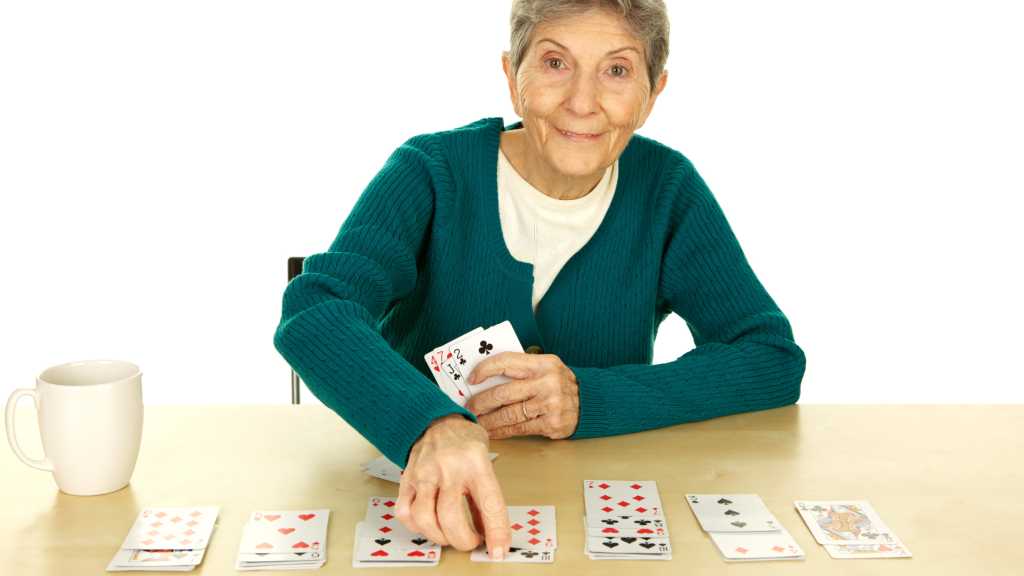
The games that link our memory and cognitive abilities can be a great way to get through time while keeping our brains awake. The game on the table is one of the best games in this field when they are easy and accessible to receive but contain incredible depth.
Another great game which is good for memory is Soxie. Opposition challenges the skill and patience of an organization, asking the player to think ahead of several steps and turn a random arrangement of cards into organized columns. The best thing here is to play alone without the time limit to completion. You can take all the time you need to consider moving through the game and remembering your strategy for future games.
List of memory games is endless, so find the games you love and see how you can apply memory to them.
Play the free song!
4 Stop Memory Loss by reading additional fiction books
Reading is a great exercise for anyone. In particular, fiction leads to new worlds and stories that stimulate our imagination and creativity. Focusing on a fictional story is not just fun; it also requires readers to absorb information for later use, which can be a good exercise in reading understanding and memory. For example, solving the mystery in a novel before being properly explained is an amazing feat of memory and information recall.
Five. Strengthen Your Physical Health to Avoid Memory Loss
Physical health in general is important for brain health. One example is that people with diabetes are at greater risk of higher cognitive disease. For that reason, caring for our bodies is just as important as our minds age.
First, make sure your food is healthy and wholesome. The brain’s food and health studies show that fish and seafood have a lot of vitamin B and omega-3, and green vegetables increase the brain’s fiber. Also, unusual eating and water loss not only makes you feel worse but also prevents your brain from working.
Next, exercise and exercise in order to cultivate a stronger body and mind. Even 30 minutes of exercise per day can keep the body in the best shape, and this will also translate to the brain. There are many ways for exercise to depend on the needs and physical abilities of individuals, but one of the most important concentrations of exercise is endurance, strength, balance and flexibility.
6 Find a Mental Expert
Of course, it is always important to consult a physician when facing memory loss or other problems. On the other hand, it may be helpful to consult an expert on mental health.
Long-term depression has been discovered to lead to higher mCI disease and other cognitive problems. These problems may be extremely difficult to solve alone, but they need not be. Finding medical professionals who can diagnose and treat your illness may be the most important part of maintaining good health, while trying to carry the burden of mental illness alone can make you feel powerless.
Anyway, always tell your doctor if you feel depressed for a long time along with any memory problems you’re facing because of that.

Memory loss doesn’t have to interfere with how you live
Memory loss is scary, but you’re not alone. Medical professionals around the world not only work to create breakthroughs in areas of cognitive decline and memory loss but also help people who are suffering in the future with their conditions.
Defensive care is always important, but even those with serious memories can have hope. Like all other diseases, one of the best things to help remember when you’re older is to connect with your family, friends and networks who care about you and your health.